
Early Christian Era
Christian Beginnings in Egypt
Early communities established worship traditions and theological schools that shaped Christian thought.
PRIMARY ERA ARCHIVE
Experience icons, textiles, and heritage from Egypt's Christian era.
Start ExploringWalk through defining pieces from this collection in a curated visual chronology.
Early communities established worship traditions and theological schools that shaped Christian thought.

Liturgical structures, church offices, and script traditions expanded through organized communities.

Monastic centers became key places for devotion, manuscript production, and spiritual teaching.

Icons, metalwork, and liturgical objects expressed distinct Coptic forms while engaging wider traditions.

Biblical manuscripts and commentaries preserved theology, language, and ritual memory across generations.

Liturgy, icon veneration, and communal festivals sustained long-standing Christian practice.

Architectural forms adapted over centuries while preserving symbolic and liturgical continuity.

The cross remained a central sign in theology, devotion, and artistic representation.

Conservation and living worship together protect Christian heritage for contemporary audiences.
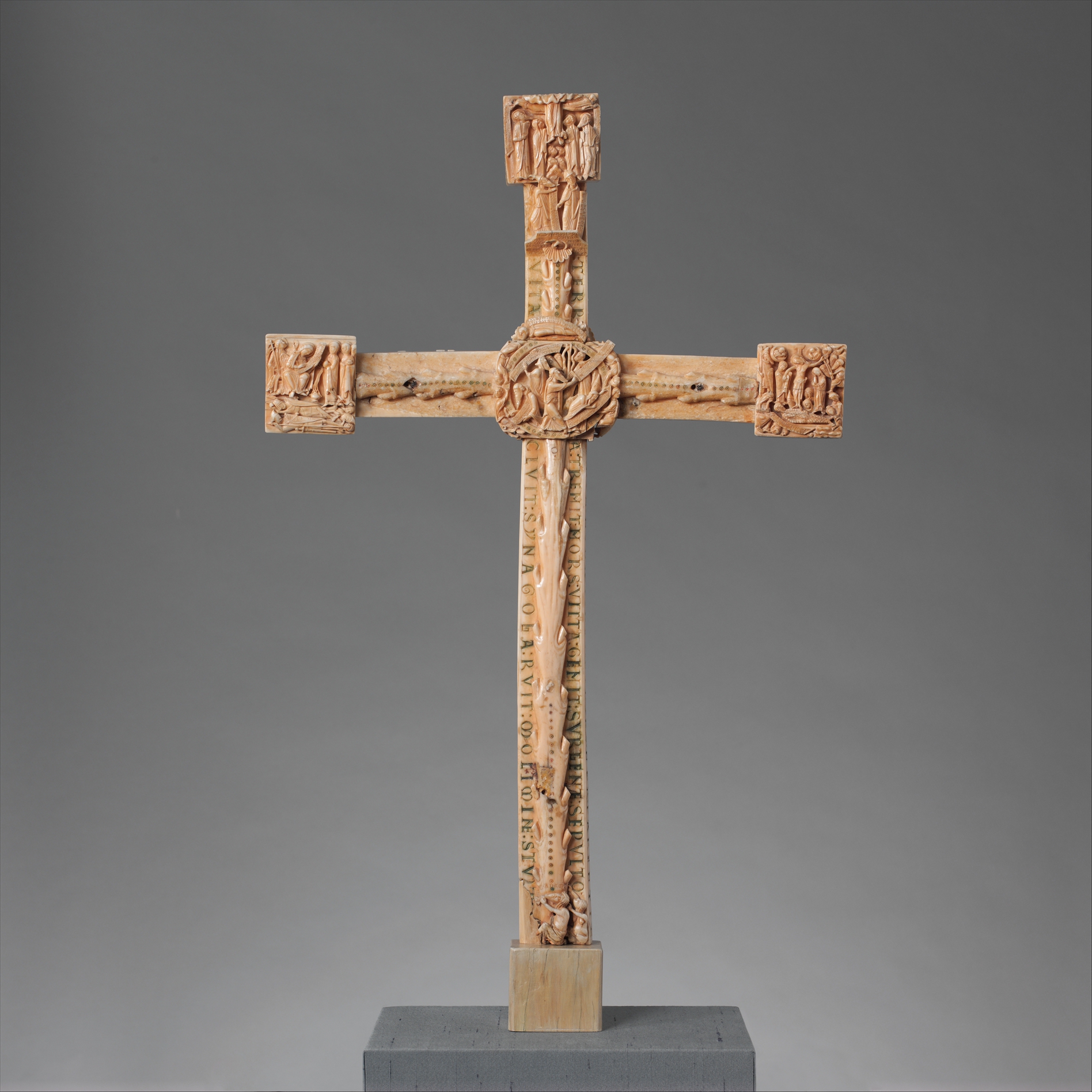
Egyptian Museum
The Cloisters Cross (also known as the Bury St Edmunds Cross) is a masterpiece of 12th-century Romanesque art. Carved from walrus ivory, this highly d...
Christian collections preserve Coptic devotional, liturgical, and monastic traditions across centuries.
ca. 1150–60
Romanesque period
New York City
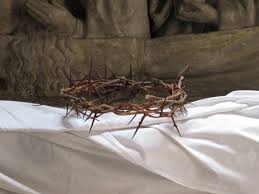
Egyptian Museum
The crown of thorns is a succulent shrub (Euphorbia milii) known for its sharp thorns and colorful bracts, native to Madagascar. It is popular as an e...
Christian collections preserve Coptic devotional, liturgical, and monastic traditions across centuries.
1st-century crucifixion to its 13th-century
c. 30–33 AD
Paris’s Sainte-Chapelle