Exhibits Timeline
Walk through defining pieces from this collection in a curated visual chronology.
ca. 1150–60
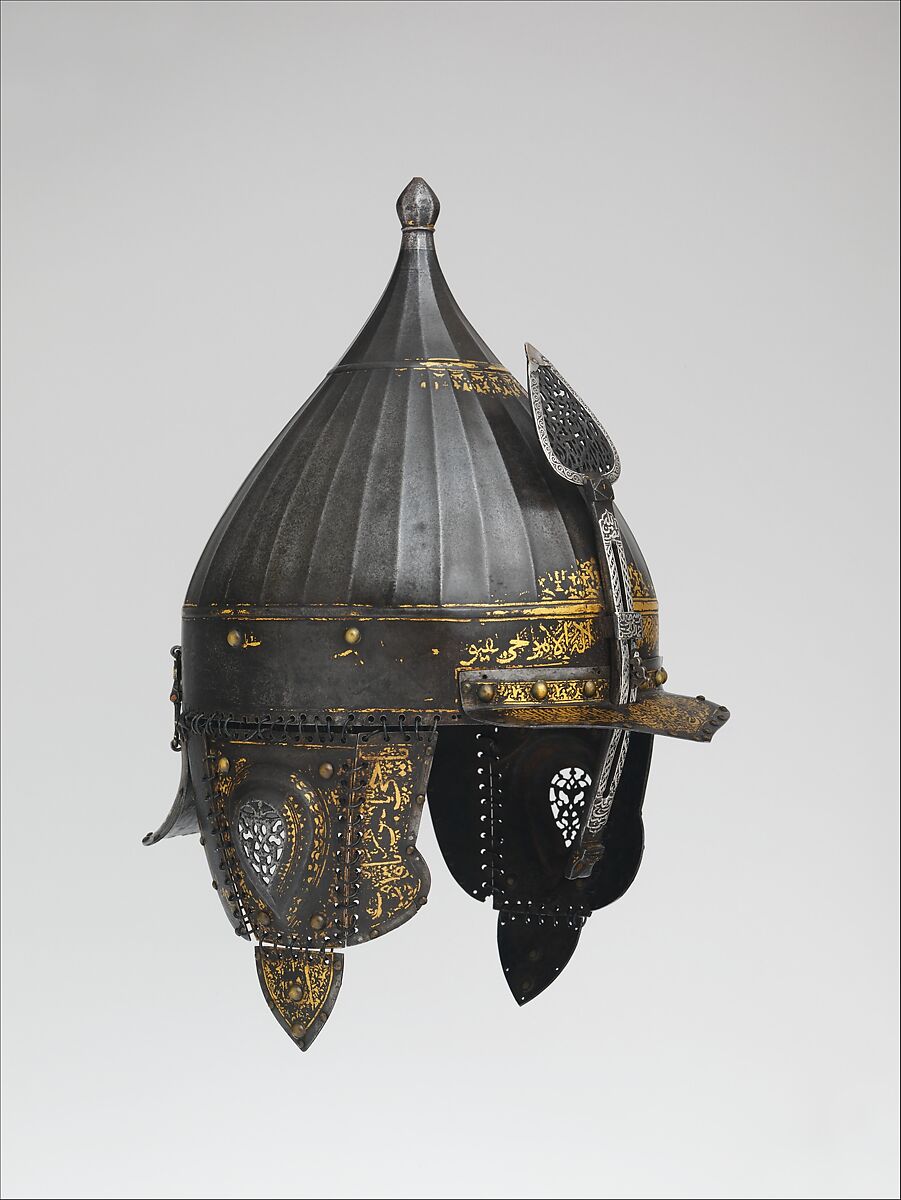
The Cloisters Cross
The Cloisters Cross (also known as the Bury St Edmunds Cross) is a masterpiece of 12th-century Romanesque art. Carved from walrus ivory, this highly detailed altar or processional cross is intricately decorated with over 90 microcarved figures and nearly 100 L...
View 3D Model Artifact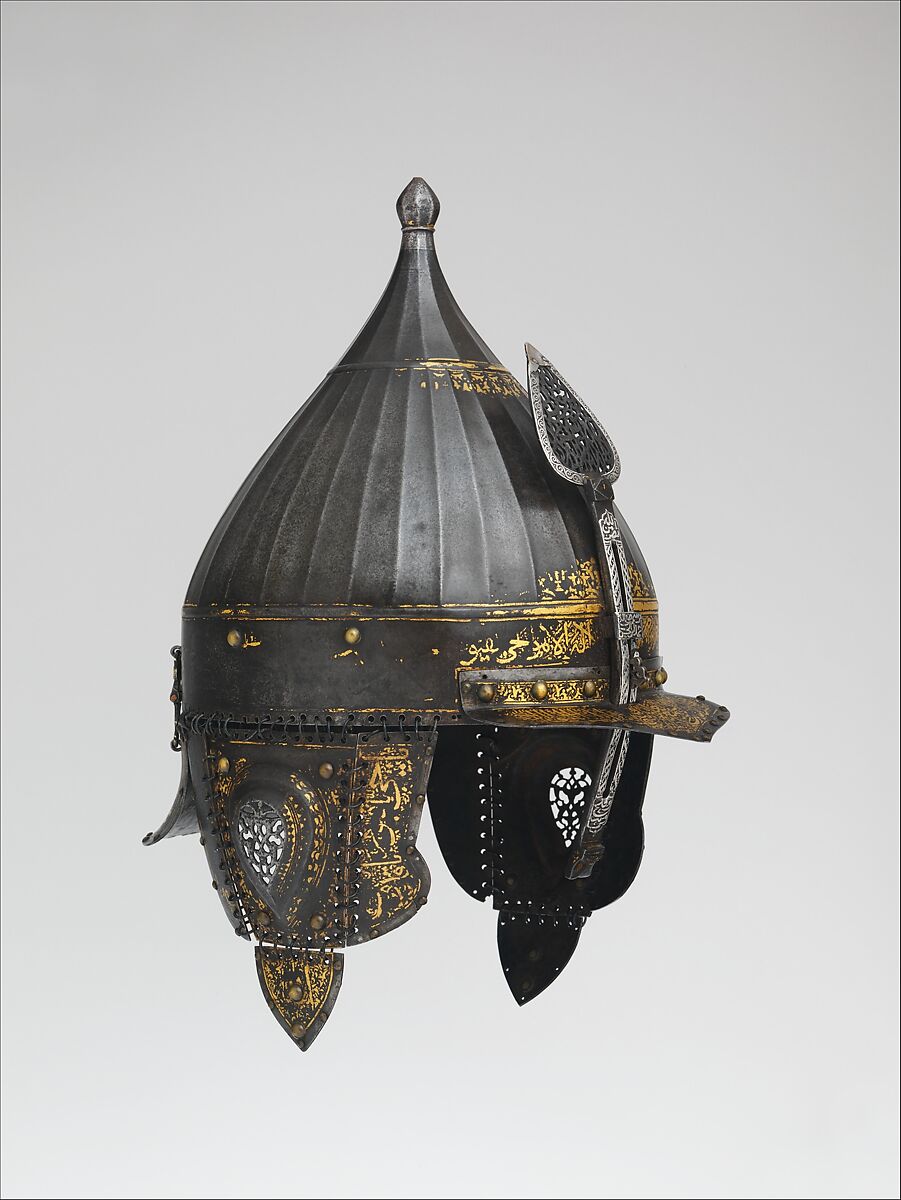
4th to the early 20th century
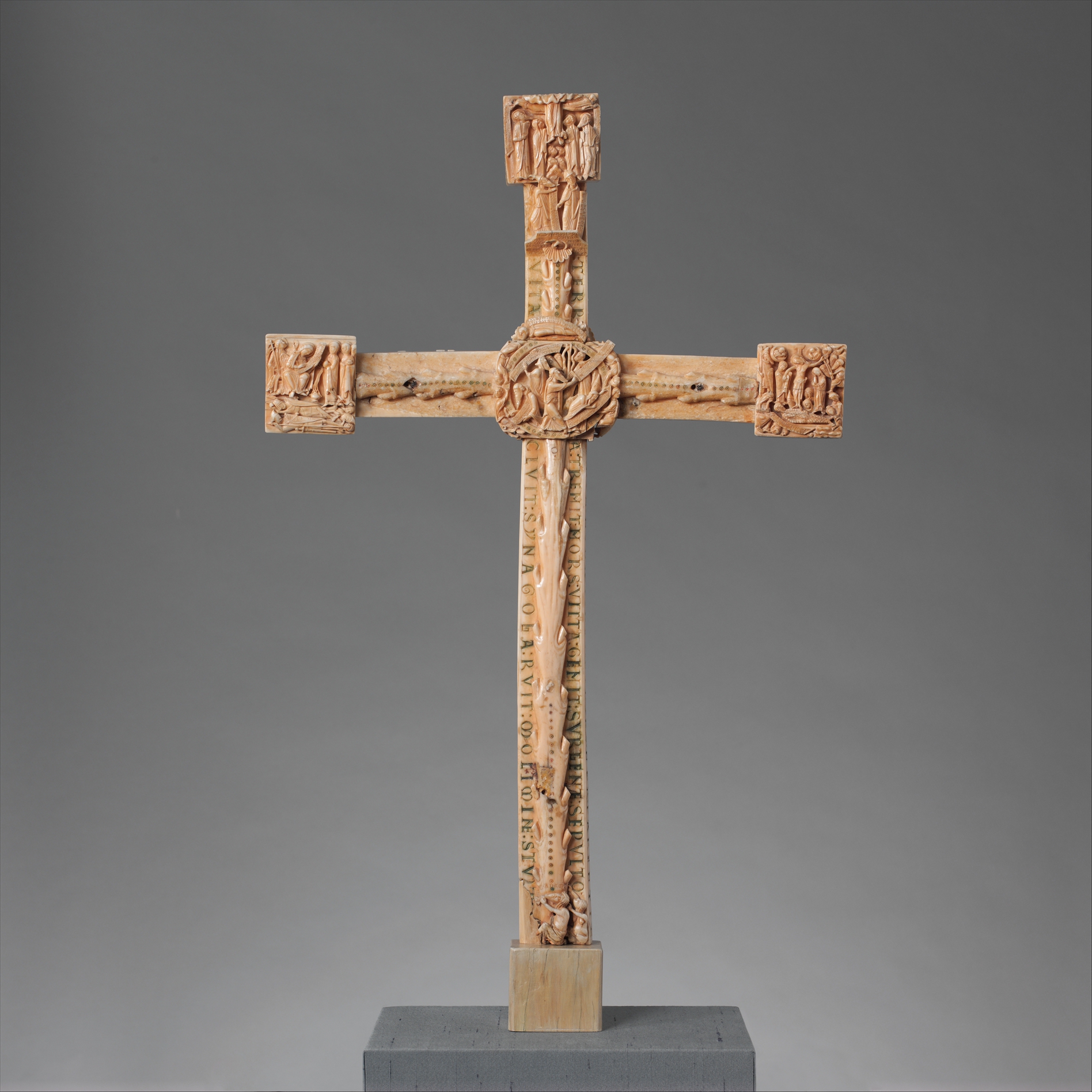
Ottoman Helmet
The Ottoman helmet (or miğfer) is an iconic piece of armor renowned for its graceful, bulbous domed crown, tapered finial, and masterfully applied metalwork. Used throughout the 15th to 19th centuries by Ottoman cavalry and infantry, these masterpieces balance...
View 3D Model Artifact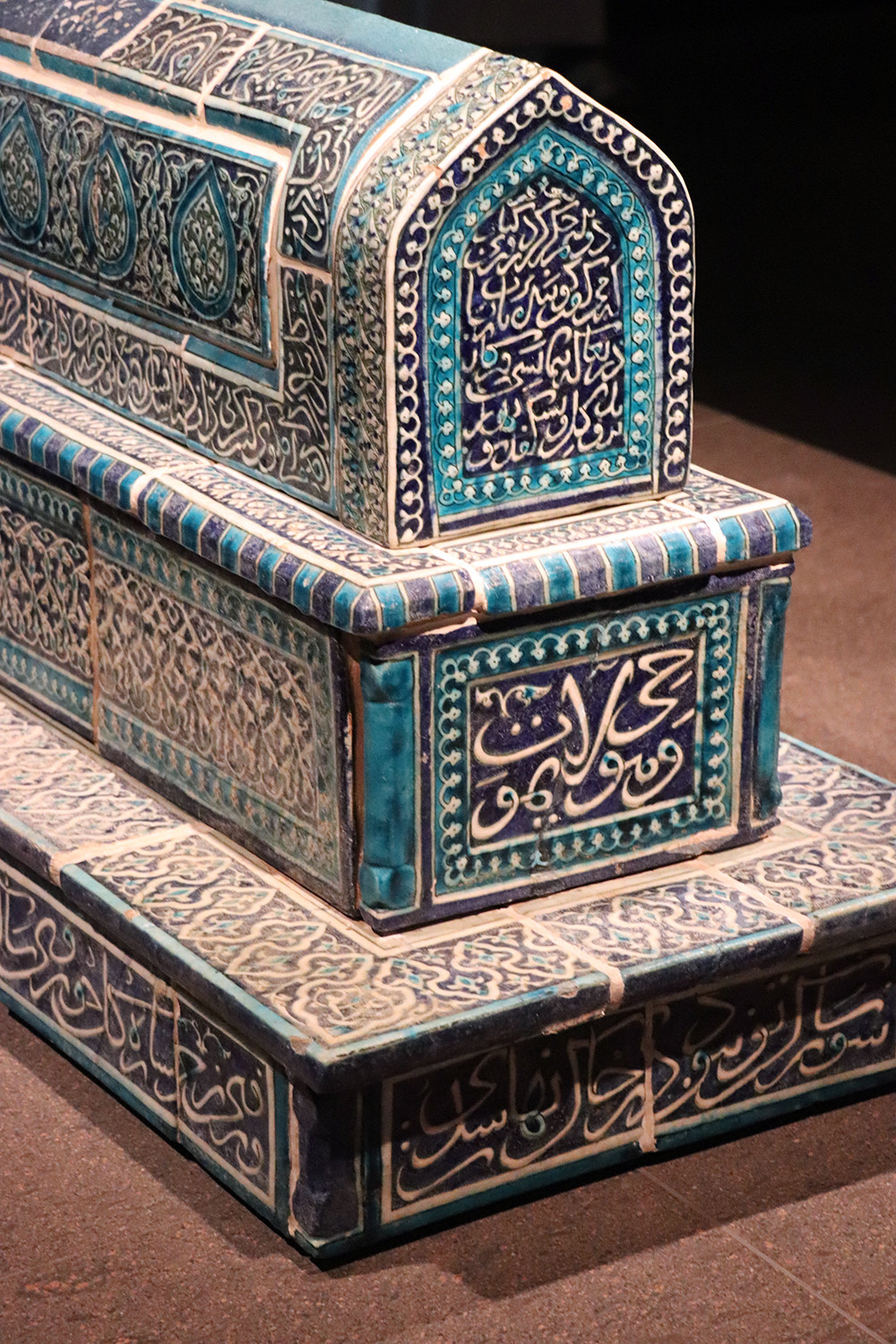
Late Medieval to Early Modern Islamic Period
Ceramic-Tiled Islamic Cenotaph
Large ceramic-tiled cenotaph featuring intricate Islamic geometric patterns, floral motifs, and Arabic calligraphic inscriptions. Such monuments were commonly placed within mausoleums and religious complexes, serving as commemorative markers above burial sites...
View 3D Model Artifact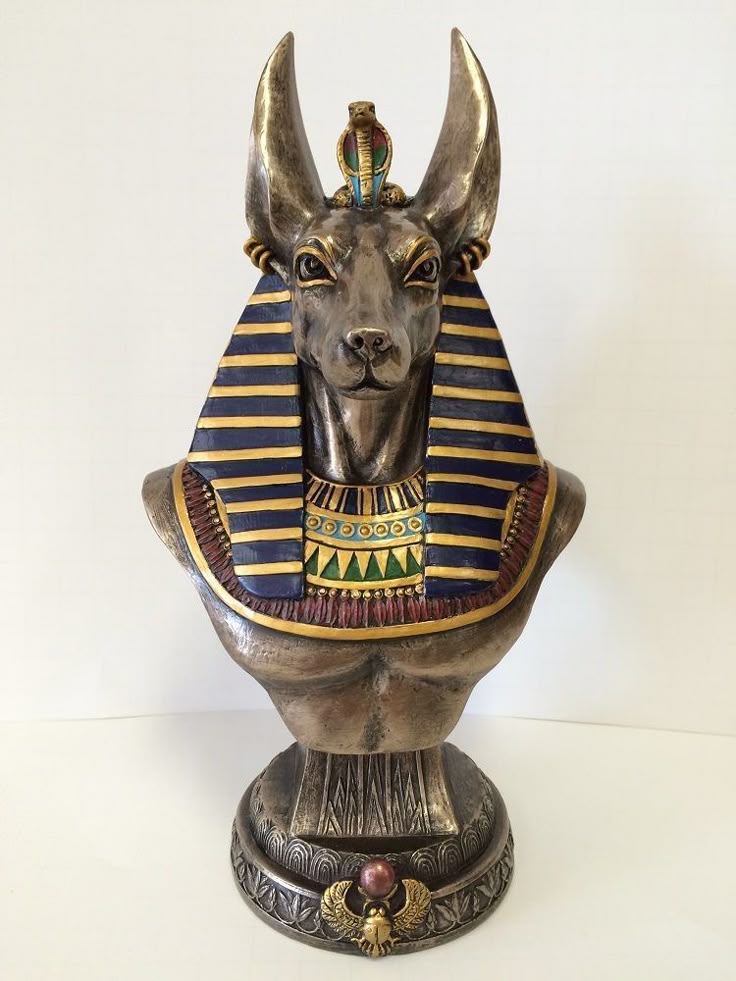
(c. 2613–2181 BCE)
Anubis Head
Anubis is the ancient Egyptian god of mummification, embalming, and the afterlife. Typically depicted as a jackal-headed man or a pure black canine, he was believed to protect the dead, guide souls to the underworld, and weigh their hearts against the feather ...
View 3D Model Artifact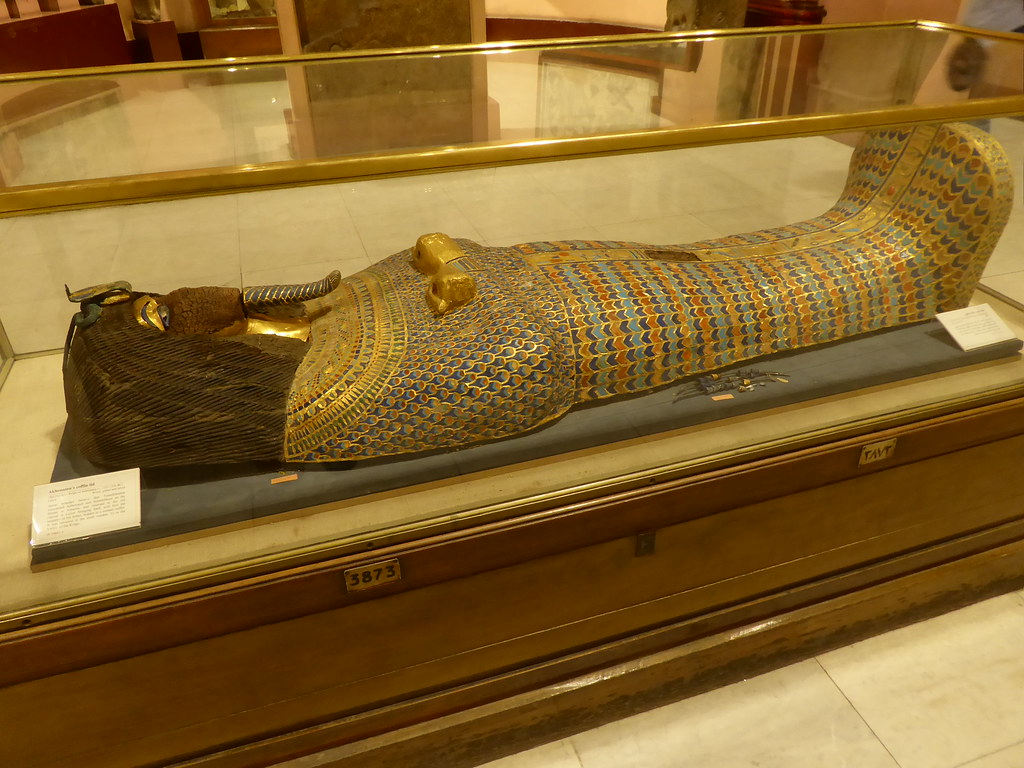
(circa 1350–1330 B.C.)
Coffin of Akhenaten
Akhenaten's coffin (most famously associated with the controversial KV55 tomb in the Valley of the Kings) is a unique anthropoid (human-shaped) coffin. Originally built for a female royal (likely Queen Kiya or Tiye) and later altered for the king, it was delib...
View 3D Model Artifact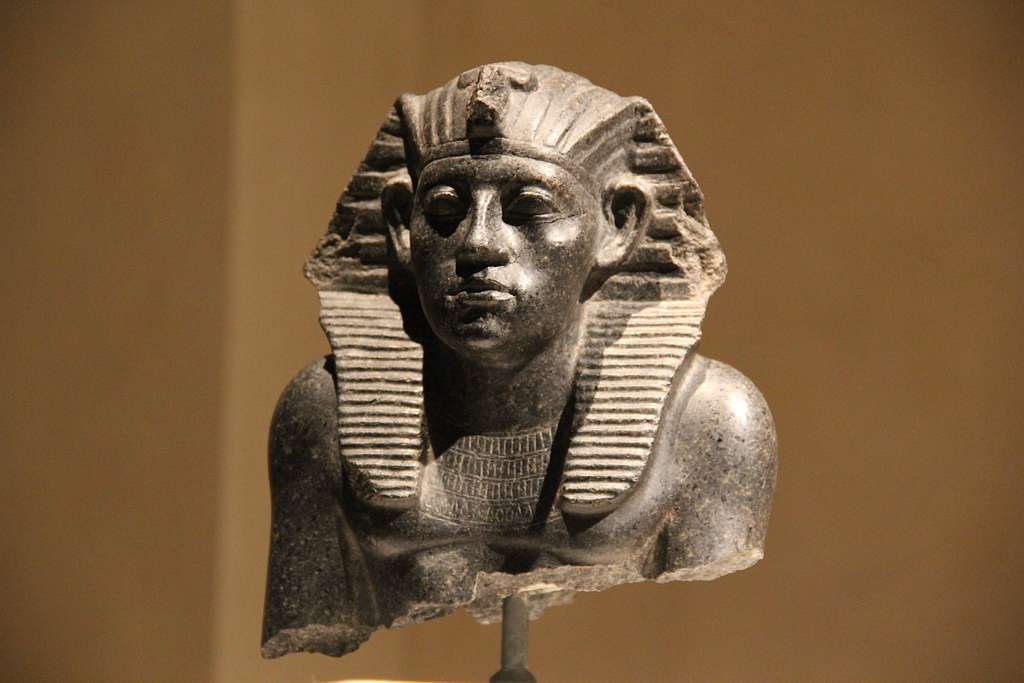
c. 1854–1808 BC
Granite head of Amenemhat III
The colossal granite head of Amenemhat III (c. 1854–1808 BC) is a 12th Dynasty masterpiece, often in granodiorite or greywacke, showcasing a realistic, sombre, and intense portrait of the king. Found at Tell Basta and now in the British Museum (EA1063), it fea...
View 3D Model Artifact
1st-century crucifixion to its 13th-century
Crown of thorns
The crown of thorns is a succulent shrub (Euphorbia milii) known for its sharp thorns and colorful bracts, native to Madagascar. It is popular as an easy-care, drought-tolerant houseplant, thriving in full sun. The plant is often associated with the biblical c...
View 3D Model Artifact