EXHIBITS

Exhibits

Discover Pharaoh, Islamic, and Christian galleries.

Start Exploring

Exhibits Timeline

Walk through defining pieces from this collection in a curated visual chronology.

600 BC
bastet cat goddess egypt statue
Late Period to Ptolemaic Period (c. 664–30 BC)

bastet cat goddess egypt statue

Period: 600 BC Origin: Egypt

Bastet cat goddess statues, primarily from Egypt’s Late Period, depict the deity as a seated, slender domestic cat (or woman with a cat head), symbolizing protection, fertility, and grace. Often made of bronze using lost-wax casting, these figures show a digni...

View 3D Model Artifact
16th century
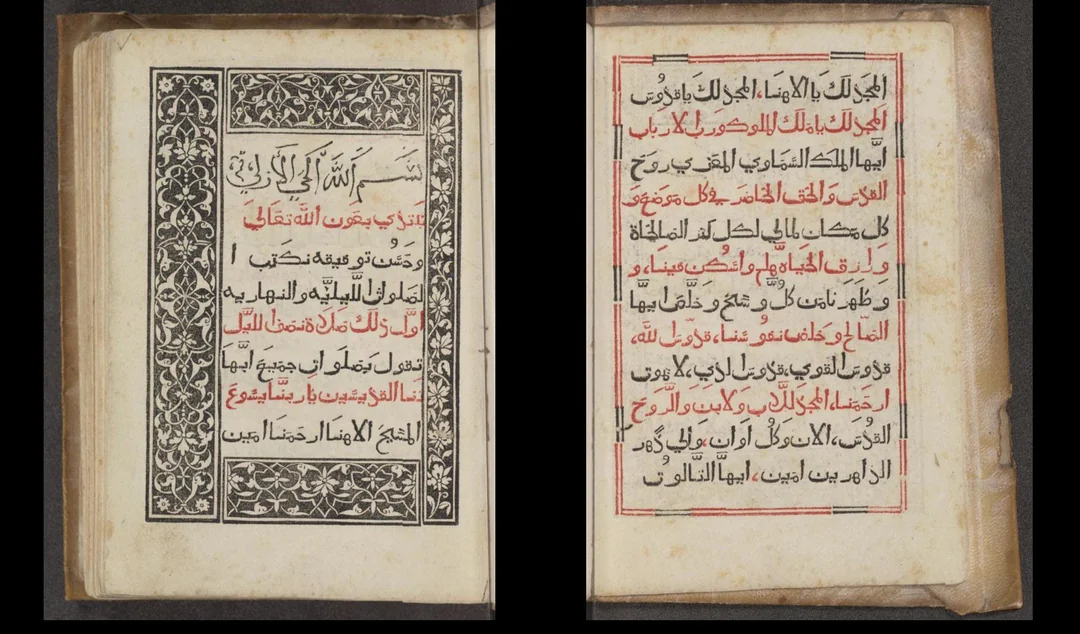
Kitab Salat al-Sawa'i
1514

Kitab Salat al-Sawa'i

Period: 16th century Origin: italy

Key 16th-century Arabic books include the first-ever printed Arabic book, Kitab Salat al-Sawa'i (1514), along with scholarly works like Tuhfat al-Mujahidin and Tafsir al-Jalalayn. This era featured early European printing of Arabic texts (Medici Press) and tra...

View 3D Model Artifact
early 7th-century AD
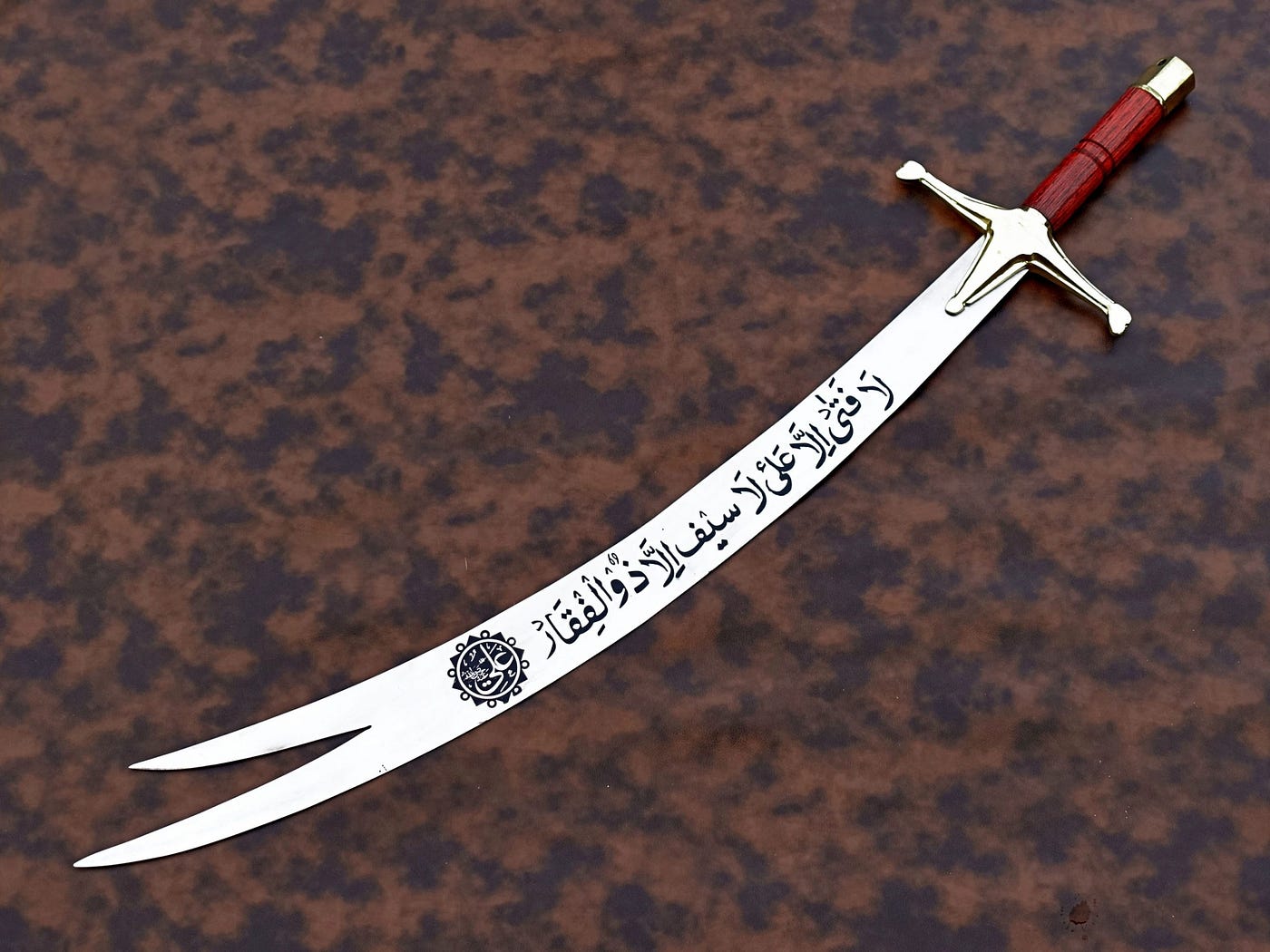
The Zulfiqar
Battle of Uhud

The Zulfiqar

Period: early 7th-century AD Origin: Saudi arabia

The Zulfiqar is a legendary, often bifurcated (two-pointed) sword in Islamic tradition, famously gifted by the Prophet Muhammad to his cousin and son-in-law, Imam Ali ibn Abi Talib

View 3D Model Artifact
Romanesque period
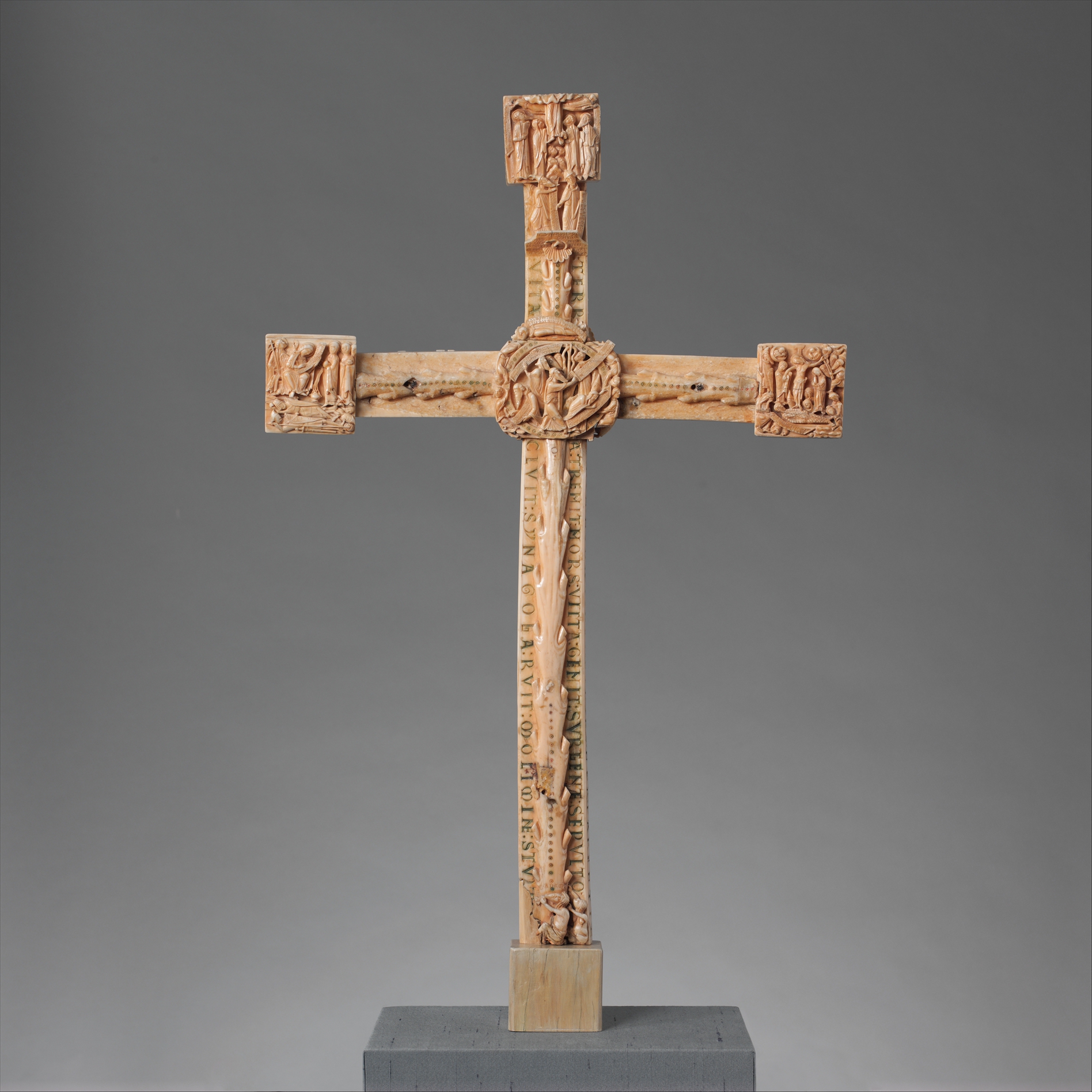
The Cloisters Cross
ca. 1150–60

The Cloisters Cross

Period: Romanesque period Origin: New York City

The Cloisters Cross (also known as the Bury St Edmunds Cross) is a masterpiece of 12th-century Romanesque art. Carved from walrus ivory, this highly detailed altar or processional cross is intricately decorated with over 90 microcarved figures and nearly 100 L...

View 3D Model Artifact
17th-century
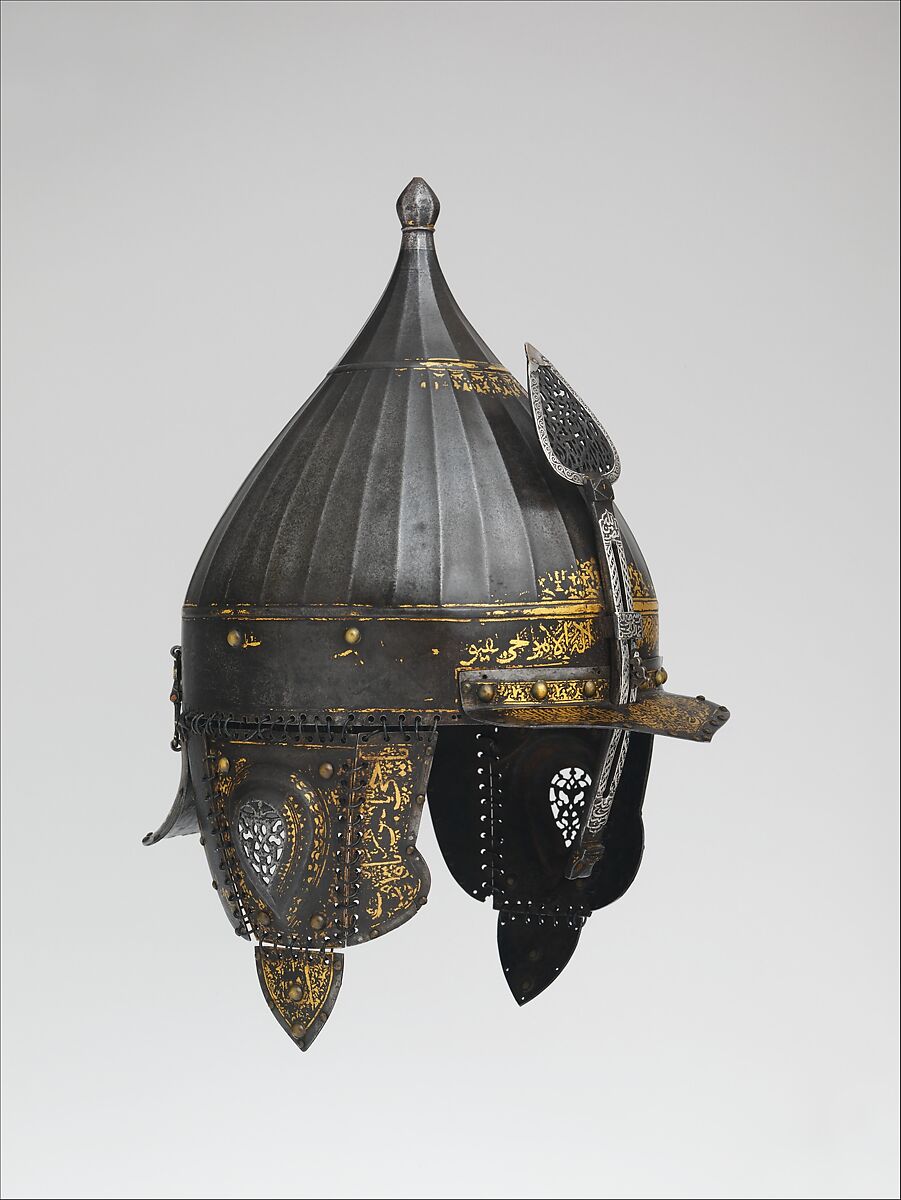
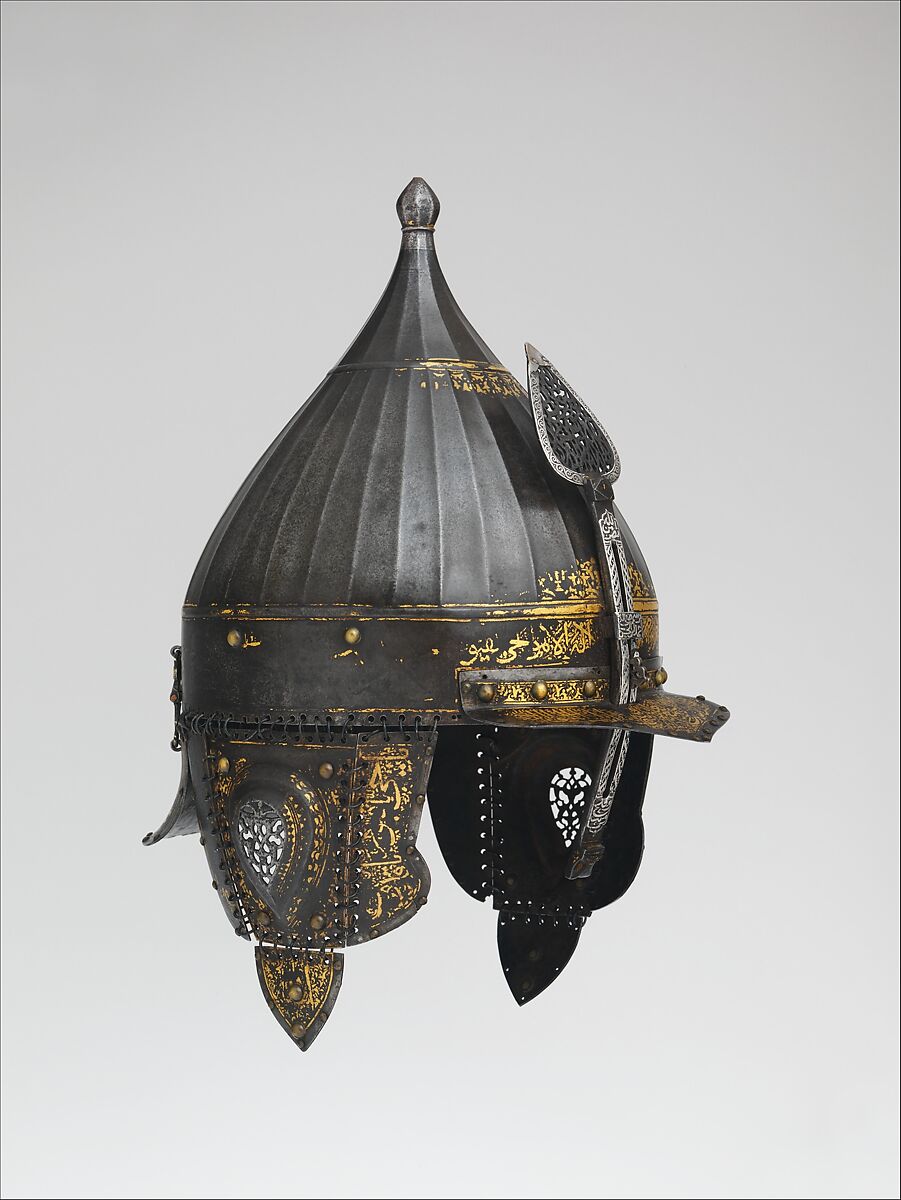
Ottoman Helmet
4th to the early 20th century

Ottoman Helmet

Period: 17th-century Origin: Turkey

The Ottoman helmet (or miğfer) is an iconic piece of armor renowned for its graceful, bulbous domed crown, tapered finial, and masterfully applied metalwork. Used throughout the 15th to 19th centuries by Ottoman cavalry and infantry, these masterpieces balance...

View 3D Model Artifact
15th–17th Century CE (estimated)
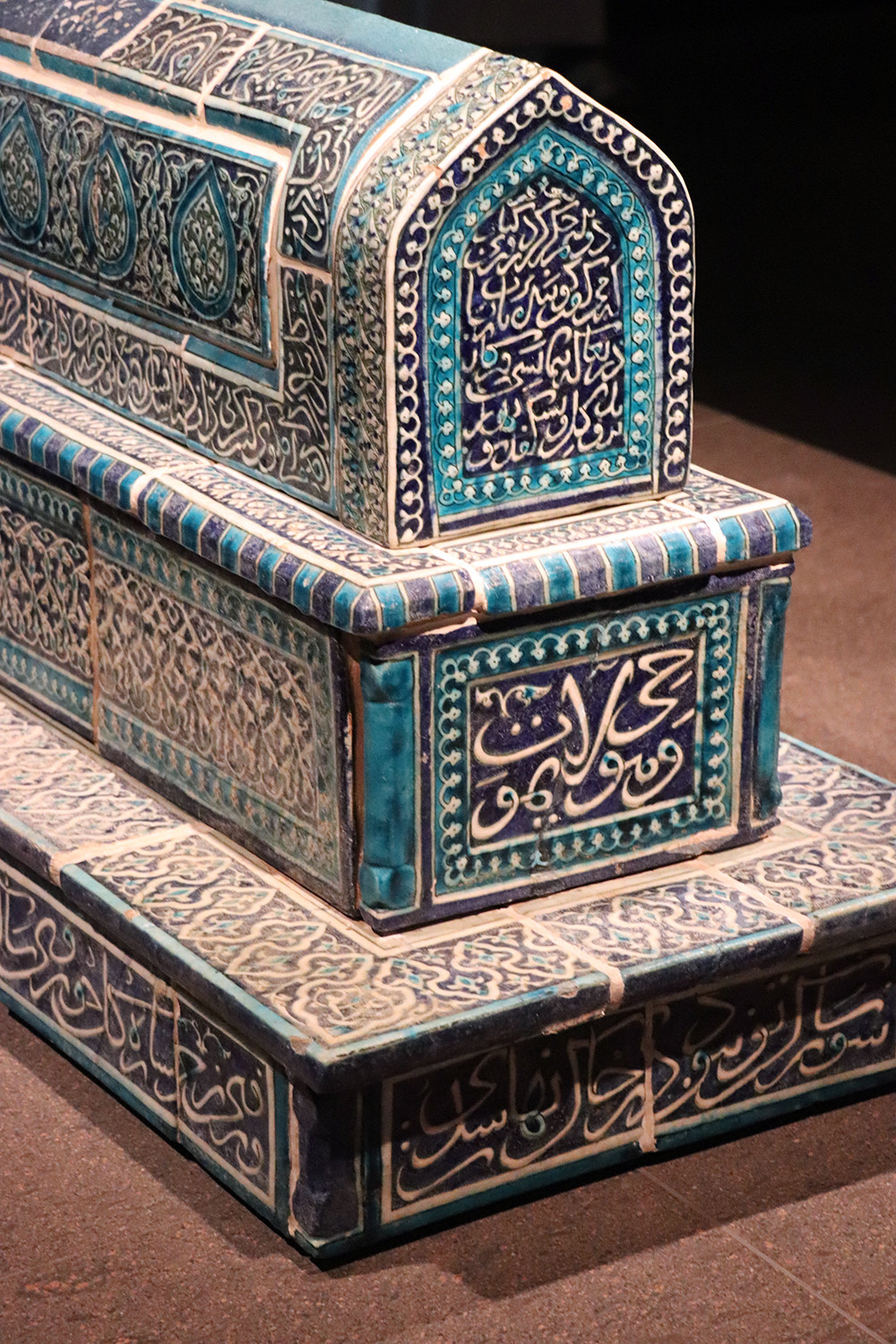
Ceramic-Tiled Islamic Cenotaph
Late Medieval to Early Modern Islamic Period

Ceramic-Tiled Islamic Cenotaph

Period: 15th–17th Century CE (estimated) Origin: Iran

Large ceramic-tiled cenotaph featuring intricate Islamic geometric patterns, floral motifs, and Arabic calligraphic inscriptions. Such monuments were commonly placed within mausoleums and religious complexes, serving as commemorative markers above burial sites...

View 3D Model Artifact
2613–2181 BCE
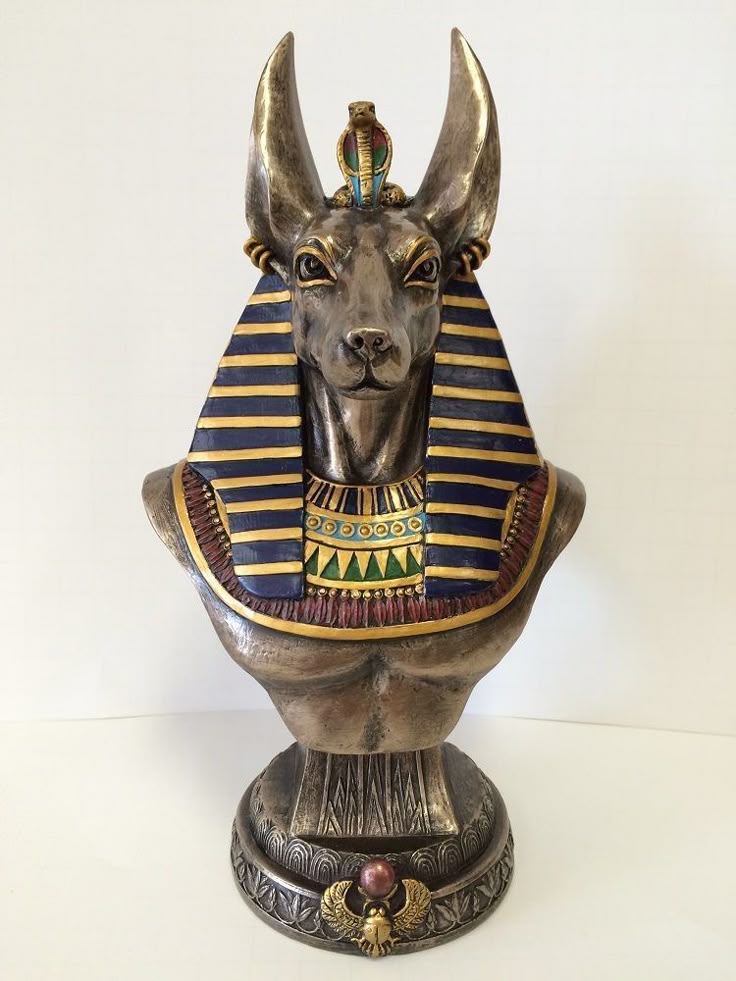
Anubis Head
(c. 2613–2181 BCE)

Anubis Head

Period: 2613–2181 BCE Origin: Egypt

Anubis is the ancient Egyptian god of mummification, embalming, and the afterlife. Typically depicted as a jackal-headed man or a pure black canine, he was believed to protect the dead, guide souls to the underworld, and weigh their hearts against the feather ...

View 3D Model Artifact
EXHIBITS ARTIFACTS
bastet cat goddess egypt statue

bastet cat goddess egypt statue

Egyptian Museum

Bastet cat goddess statues, primarily from Egypt’s Late Period, depict the deity as a seated, slender domestic cat (or woman with a cat head), symboli...

Pharaonic collections emphasize kingship, ritual practice, and funerary beliefs across multiple dynasties.

Late Period to Ptolemaic Period (c. 664–30 BC)

600 BC

Egypt

View 3D Model Artifact
Kitab Salat al-Sawa'i

Kitab Salat al-Sawa'i

Egyptian Museum

Key 16th-century Arabic books include the first-ever printed Arabic book, Kitab Salat al-Sawa'i (1514), along with scholarly works like Tuhfat al-Muja...

Islamic collections document urban religious life, manuscript traditions, and refined decorative craftsmanship.

1514

16th century

italy

View 3D Model Artifact
The Zulfiqar

The Zulfiqar

Egyptian Museum

The Zulfiqar is a legendary, often bifurcated (two-pointed) sword in Islamic tradition, famously gifted by the Prophet Muhammad to his cousin and son-...

Islamic collections document urban religious life, manuscript traditions, and refined decorative craftsmanship.

Battle of Uhud

early 7th-century AD

Saudi arabia

View 3D Model Artifact
xxxx

xxxx

Egyptian Museum

xxxxxxxxxxxxxxxxxxxxxxxxx

Pharaonic collections emphasize kingship, ritual practice, and funerary beliefs across multiple dynasties.

xxx

xxx

xxxx

View 3D Model Artifact
The Cloisters Cross

The Cloisters Cross

Egyptian Museum

The Cloisters Cross (also known as the Bury St Edmunds Cross) is a masterpiece of 12th-century Romanesque art. Carved from walrus ivory, this highly d...

Christian collections preserve Coptic devotional, liturgical, and monastic traditions across centuries.

ca. 1150–60

Romanesque period

New York City

View 3D Model Artifact
Ottoman Helmet

Ottoman Helmet

Egyptian Museum

The Ottoman helmet (or miğfer) is an iconic piece of armor renowned for its graceful, bulbous domed crown, tapered finial, and masterfully applied met...

Islamic collections document urban religious life, manuscript traditions, and refined decorative craftsmanship.

4th to the early 20th century

17th-century

Turkey

View 3D Model Artifact
Ceramic-Tiled Islamic Cenotaph

Ceramic-Tiled Islamic Cenotaph

Egyptian Museum

Large ceramic-tiled cenotaph featuring intricate Islamic geometric patterns, floral motifs, and Arabic calligraphic inscriptions. Such monuments were ...

Islamic collections document urban religious life, manuscript traditions, and refined decorative craftsmanship.

Late Medieval to Early Modern Islamic Period

15th–17th Century CE (estimated)

Iran

View 3D Model Artifact
Anubis Head

Anubis Head

Egyptian Museum

Anubis is the ancient Egyptian god of mummification, embalming, and the afterlife. Typically depicted as a jackal-headed man or a pure black canine, h...

Pharaonic collections emphasize kingship, ritual practice, and funerary beliefs across multiple dynasties.

(c. 2613–2181 BCE)

2613–2181 BCE

Egypt

View 3D Model Artifact