
Predynastic Period
Predynastic Egypt
Regional cultures formed along the Nile before political unification, laying foundations for kingship and sacred symbolism.
PRIMARY ERA ARCHIVE
A JOURNEY THROUGH THREE MILLENNIA OF DIVINE KINGSHIP AND ETERNAL MONUMENTS.
Start ExploringA dynamic arc of continuity, innovation, and monumental structure across ancient Egypt.
Regional cultures formed along the Nile before political unification, laying foundations for kingship and sacred symbolism.

After unification, royal iconography and temple-centered authority became central to state identity.

The pyramid age defined monumental stone architecture and highly structured royal workshop production.

Royal and elite statuary emphasized divine kingship, ritual permanence, and idealized proportions.

Competing local powers reshaped administration and visual culture before later reunification.

Administrative reform and renewed temple patronage fostered strong literary and artistic production.

External and regional rule transitions set the stage for New Kingdom military and imperial expansion.
.jpg)
Egypt projected power deep into the Levant and Nubia, linking diplomacy, warfare, and monumental propaganda.

Dynasties revived traditional forms while absorbing wider Mediterranean political and artistic influences.

Greek and Egyptian institutions coexisted, producing bilingual administration and hybrid religious imagery.

Pharaonic symbols and craftsmanship continued to shape later visual culture and modern historical imagination.
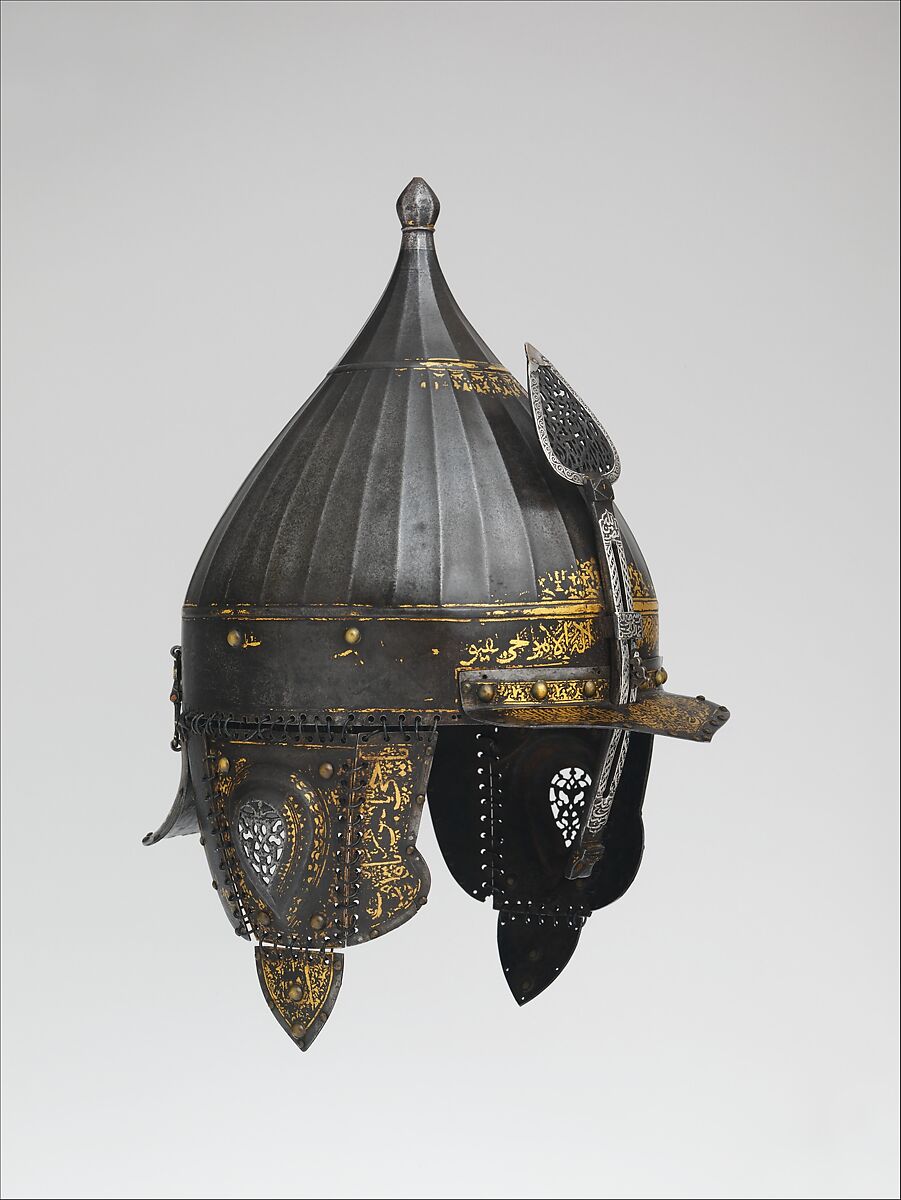
Egyptian Museum
xxxxxxxxxxxxxxxxxxxxxxxxx
Pharaonic collections emphasize kingship, ritual practice, and funerary beliefs across multiple dynasties.
xxx
xxx
xxxx
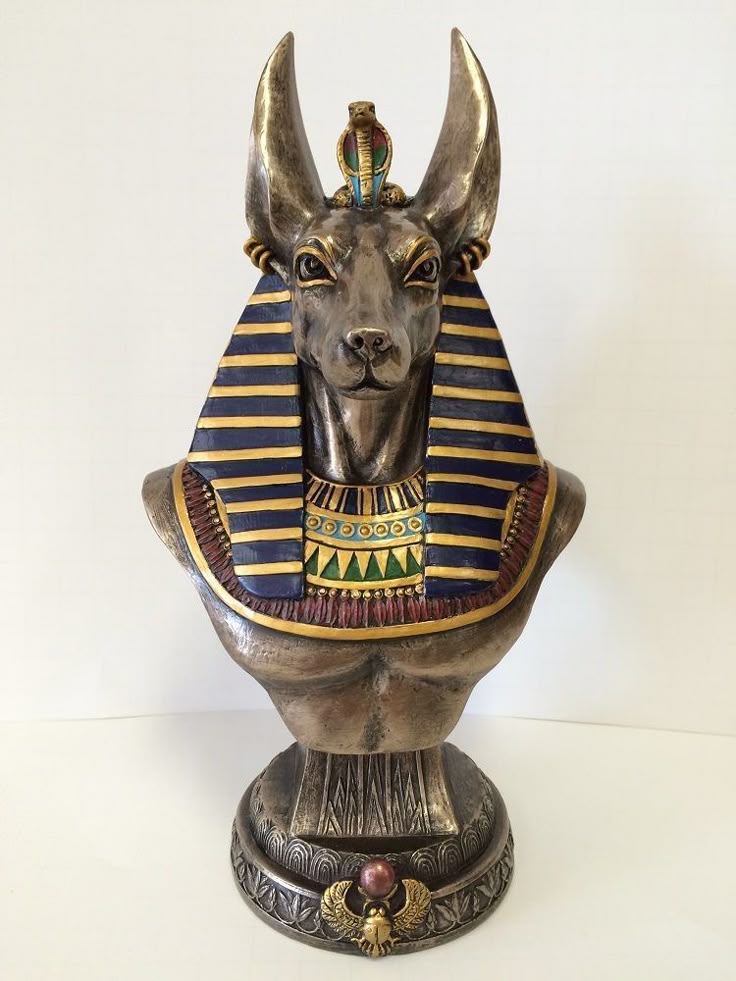
Egyptian Museum
Anubis is the ancient Egyptian god of mummification, embalming, and the afterlife. Typically depicted as a jackal-headed man or a pure black canine, h...
Pharaonic collections emphasize kingship, ritual practice, and funerary beliefs across multiple dynasties.
(c. 2613–2181 BCE)
2613–2181 BCE
Egypt
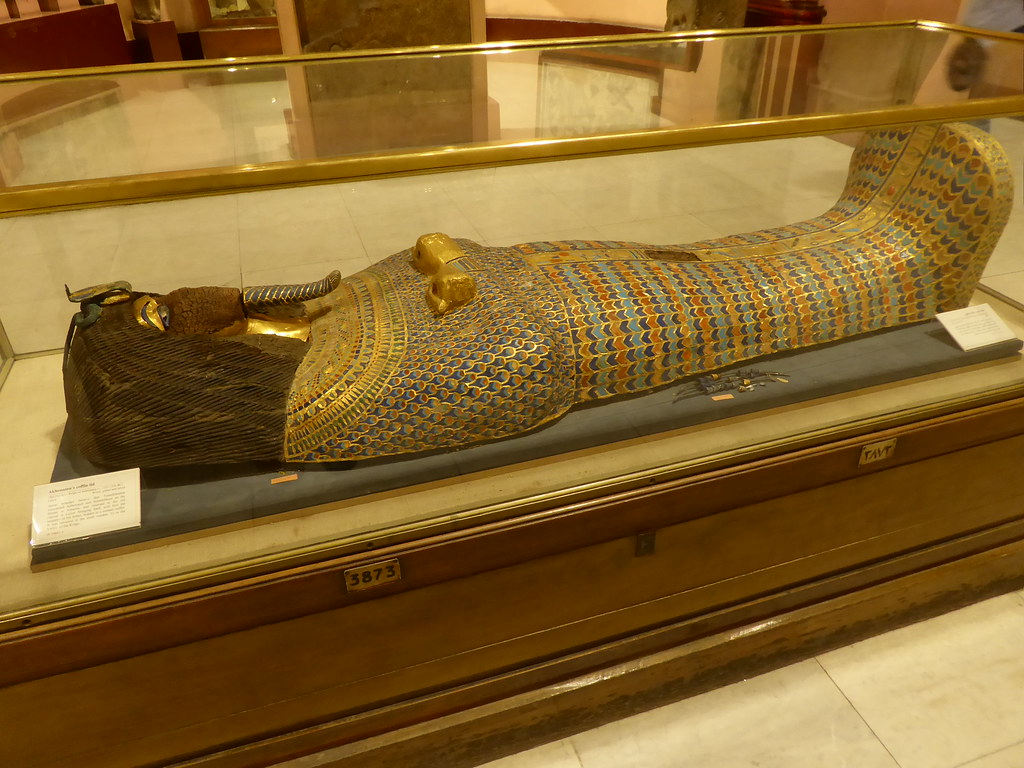
Egyptian Museum
Akhenaten's coffin (most famously associated with the controversial KV55 tomb in the Valley of the Kings) is a unique anthropoid (human-shaped) coffin...
Pharaonic collections emphasize kingship, ritual practice, and funerary beliefs across multiple dynasties.
(circa 1350–1330 B.C.)
1350–1330 B.C
Egypt
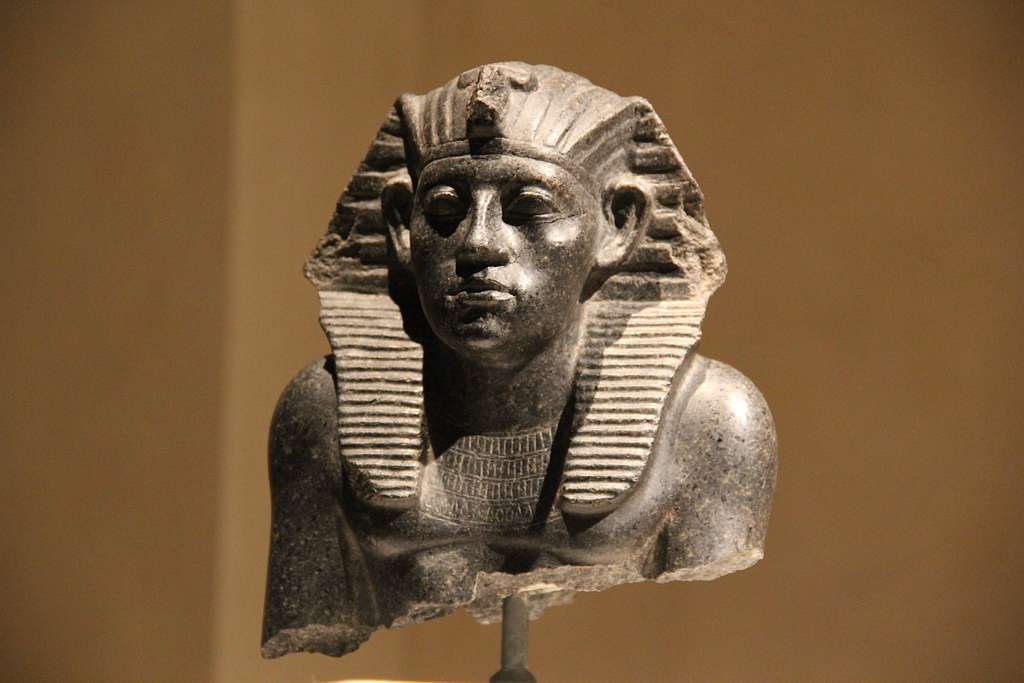
Egyptian Museum
The colossal granite head of Amenemhat III (c. 1854–1808 BC) is a 12th Dynasty masterpiece, often in granodiorite or greywacke, showcasing a realistic...
Pharaonic collections emphasize kingship, ritual practice, and funerary beliefs across multiple dynasties.
c. 1854–1808 BC
c. 1854–1808 BC
egypt
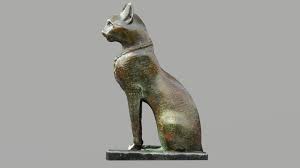
Egyptian Museum
Bastet cat goddess statues, primarily from Egypt’s Late Period, depict the deity as a seated, slender domestic cat (or woman with a cat head), symboli...
Pharaonic collections emphasize kingship, ritual practice, and funerary beliefs across multiple dynasties.
Late Period to Ptolemaic Period (c. 664–30 BC)
600 BC
Egypt